


January was a full month across Chazak Academy, with new students entering the all-new Foundations program and Class 4 pushing deeper into the second training year. Across classrooms, training grounds, and full-scale scenarios, Cadets spent the month building the skills and habits that will carry them into real-world response work.
Chazak Foundations
Our first Chazak Foundations class officially began this month with orientation at our international headquarters in Pennsylvania. This brought the students together for their first full day in the program. We have a small group for this year, but are really excited to see this team come through the training, and for some of them, continue into the Chazak Rescue Training.
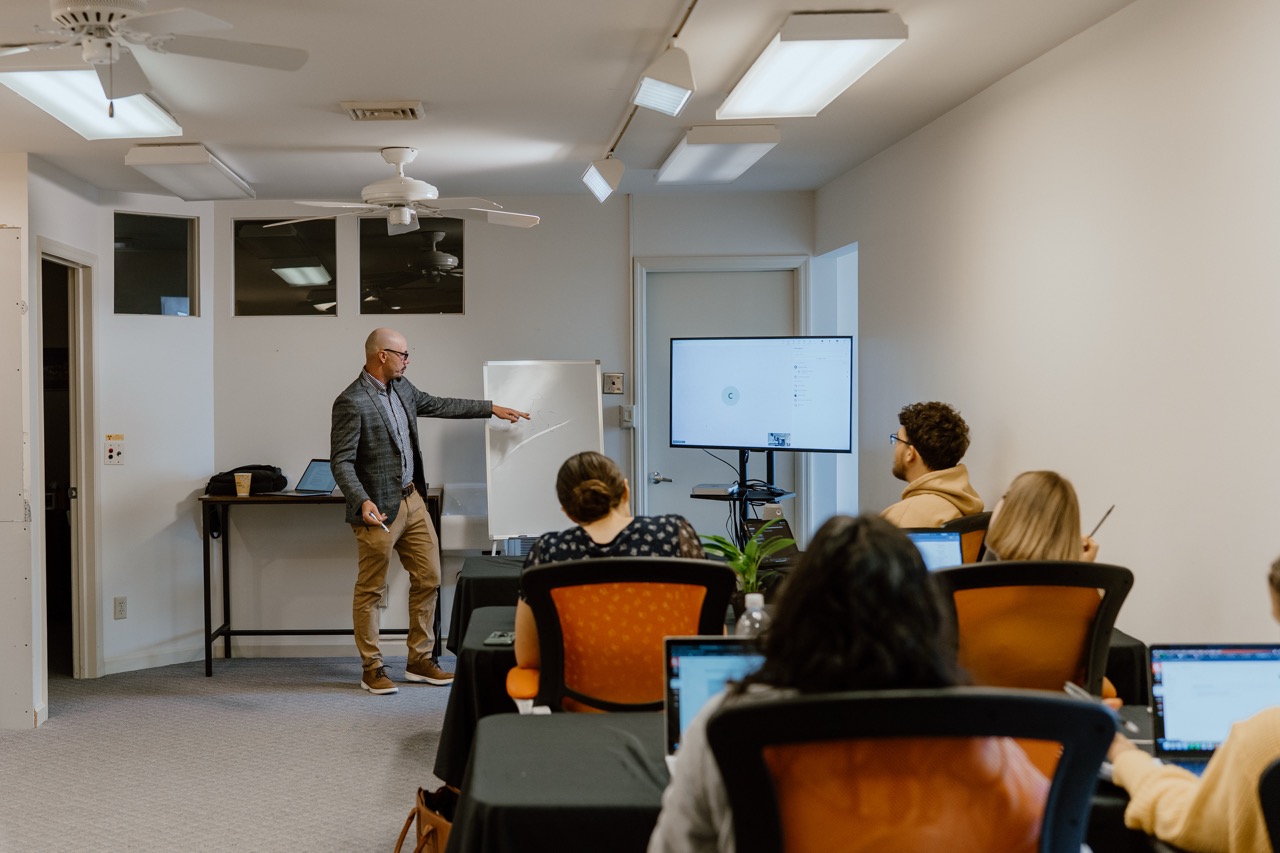
The focus for the first day was on introductions, expectations, and a clear walkthrough of what the next four months will actually look like, both practically and personally. It was the first time many of the students had met face to face, and it set the tone for the months ahead.
From Orientation, the group moved into the Land of Promise Conference, which is part of the Foundations course. After the conference, students transitioned into the at-home portion of training. This phase includes the Perspectives on the World Christian Movement course, prerequisites for support raising, and introductory material on incident command. The team will remain in this phase through the end of March.
Class 4
Class 4 continued their 2.3 segment around the country. This 8-week phase centers on disaster response and is designed to bring together and expand upon many of the skills Cadets have been developing since they entered the program.
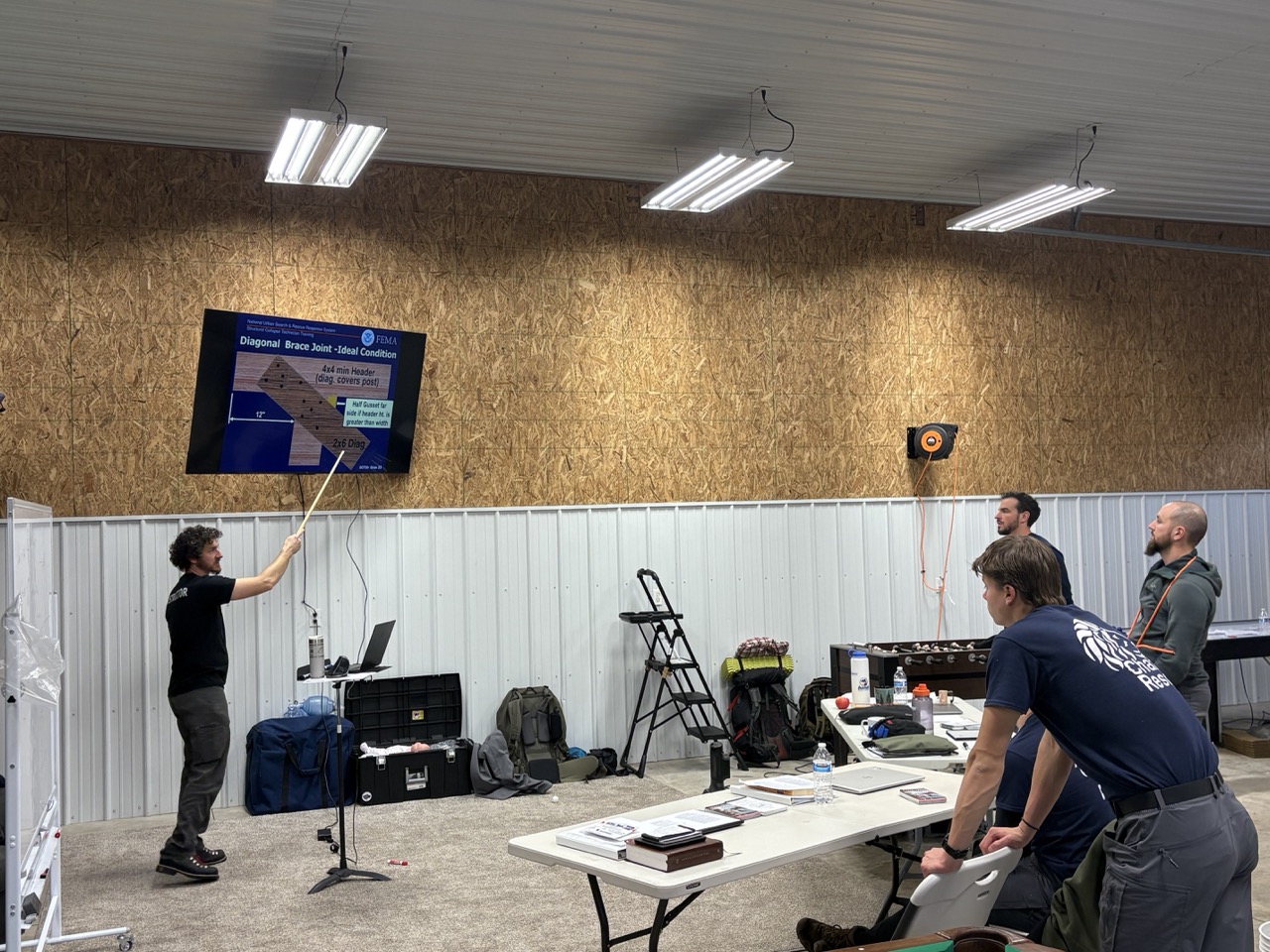
The training follows a crawl, walk, run progression. Cadets begin with review of earlier training, move into simple drills and scenarios, and then step into complex, realistic exercises. This structure has helped the class function more like a cohesive response team rather than a group of individuals learning separate skills. Several Guardians also joined the training to mentor the Defenders, adding experience and leadership to the process.
TCCC/GFIO
Early in the month, Class 4 traveled to Tennessee for a two-part training session led by seasoned professionals. The segment included Tactical Combat Casualty Care and a scenario-based exercise called GFIO.
One of the Cadets described the experience:
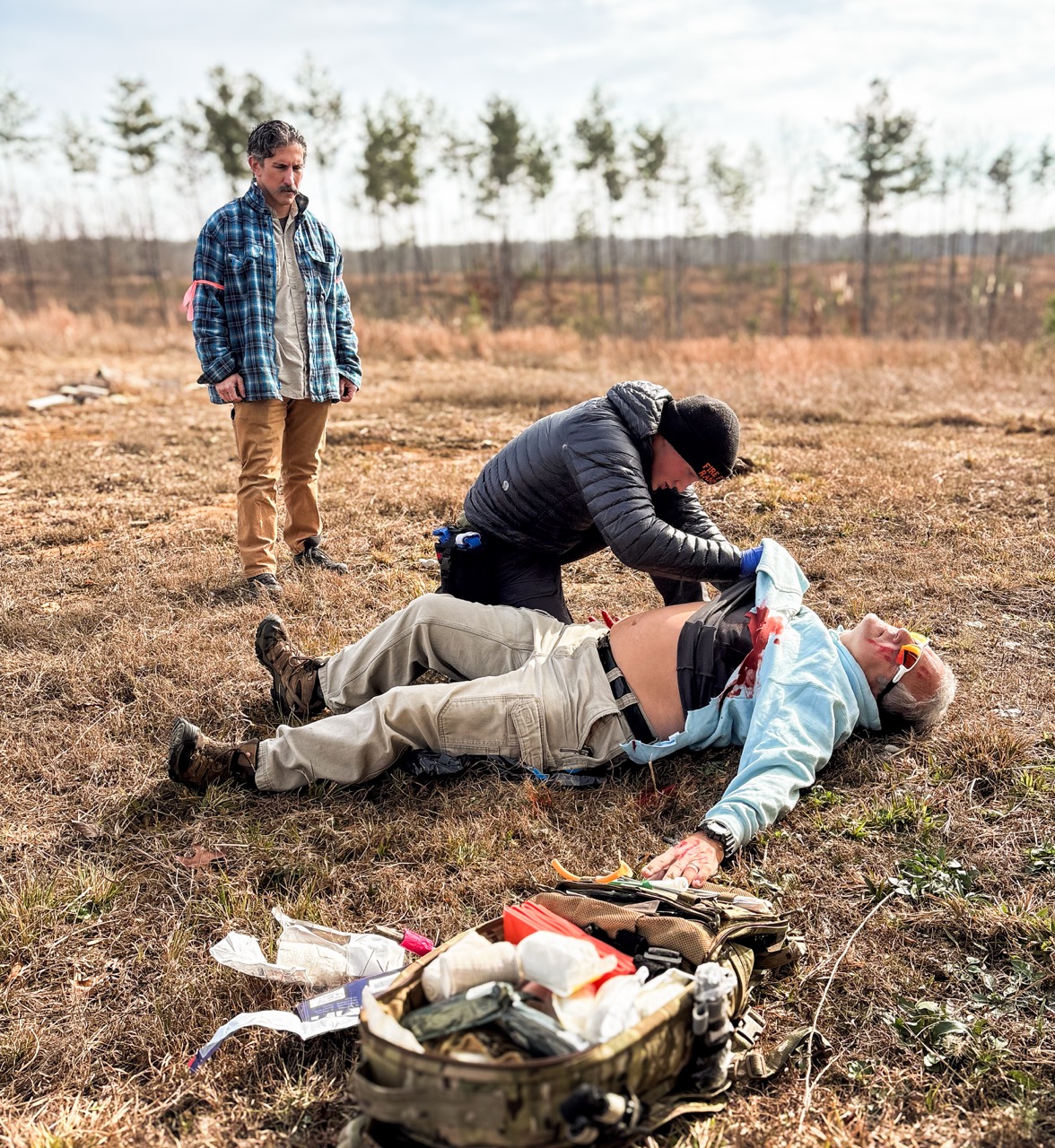
"Class 4 recently engaged in a two-part training session in Tennessee: GFIO (Go Figure It Out) and TCCC (Tactical Combat Casualty Care). We did TCCC first. The focus of TCCC is stopping major life threats, such as massive hemorrhage or compromised airways. Our instructor went through slideshows that laid out a framework for how we care for someone in dangerous situations, and we practiced running through that framework while assessing patients. It was stressed that following a framework is important because it minimizes the chances of missing something critical. This course was a good mix of classroom and hands-on experience.
We started GFIO by contacting a role player before the scenario began. The setting of this scenario-based training was another country where we were trying to gain access through local contacts into a war-torn area to administer medical aid and share hope. The entire scenario was set up by our instructor, with multiple role players helping with day-to-day interactions. This training is designed to give us practice in making connections and getting contacts in new places. One important aspect that was focused on was engaging with local leaders, and as the Team Lead for this segment, much of that responsibility landed on me.
Through this training, we were taught how to approach meetings with important people and what we should be doing beforehand. Preparation is a big part of the process. Finding out what a person’s needs and wants are goes a long way in being ready to meet with them. Meetings with important locals can make or break a mission, because those are the people who can help you the most.
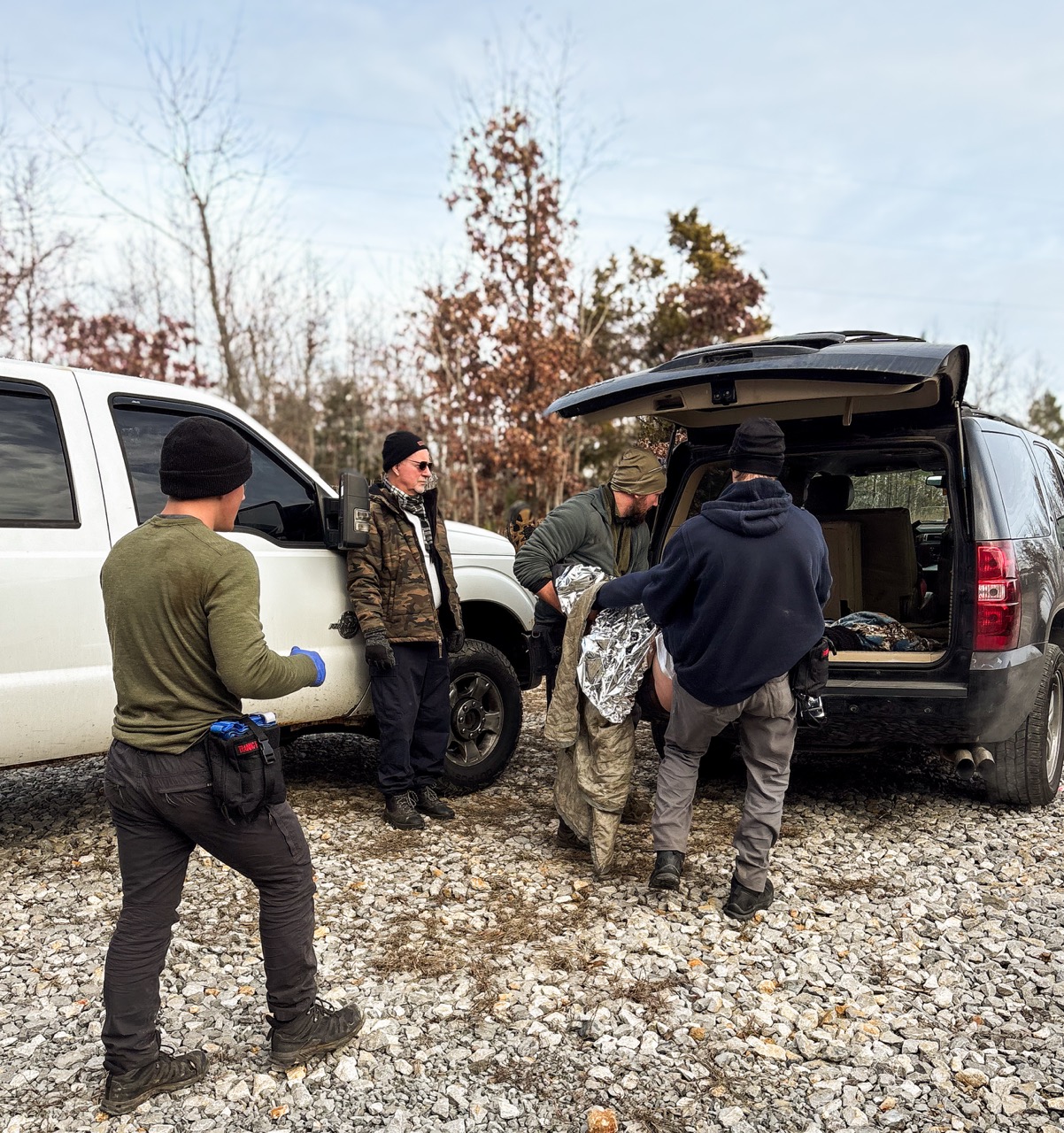
Through these two training sessions, I had the opportunity to practice medical skills, people skills, and team skills. TCCC was heavier on medical practice, and GFIO helped me grow in learning to relate to new people I meet and to work better with my team. I believe this training is a stepping stone toward being successful in the field, especially when it comes to working with others."
-Jamison, Chazak Cadet Defender
Emergency Building Shoring
After Tennessee, the Cadets moved into emergency building shoring. This training focused on stabilizing damaged structures so rescues can be carried out with less risk.
A Cadet described the experience:
"A big challenge in earthquake response, or any collapsed building, is being able to perform rescues without taking too much risk. Moving anything inside a collapsed building to free a victim puts the entire team at risk of a secondary collapse. To do it well, you first need to understand the basics of how a structure is supported. Then you can improvise supporting systems to stabilize whatever was compromised in the collapse. This is referred to as building shoring and can help to mitigate the risk while performing the rescue. Of course, it was raining the entire day while we learned and practiced these skills which only added to the realism. Thanks to Mr. Stuart and the Chazak staff for teaching these valuable skills."
-Justin, Chazak Cadet Defender
Confined Space Rescue
The next segment focused on confined space rescue. This training introduced the challenges of working in tight, dark environments while managing rope systems and atmospheric hazards.
One Cadet shared:
"Our confined space training was much more complicated than expected. Not only do very tight and very dark places come into play, we also have to consider rope systems and atmospheric hazards.
65% percent of deaths in confined spaces come from atmospheric hazards, so we always have to test the space before entering.
Another thing confined space training requires is mental strength and the ability to calm oneself down. The mind does funny things in small dark places, and the ability to push away panic is absolutely necessary in this setting.
I learned a lot and had a blast doing it!"
-Sebastian, Cadet Defender
Earthquake Response Scenario
Later in the month, the Cadets moved into CISAR (Catastrophic Incident Search & Rescue) and USAR (Urban Search & Rescue) training with a major earthquake scenario. This was a full 24-hour exercise that brought together many things they had learned so far in 2.3.
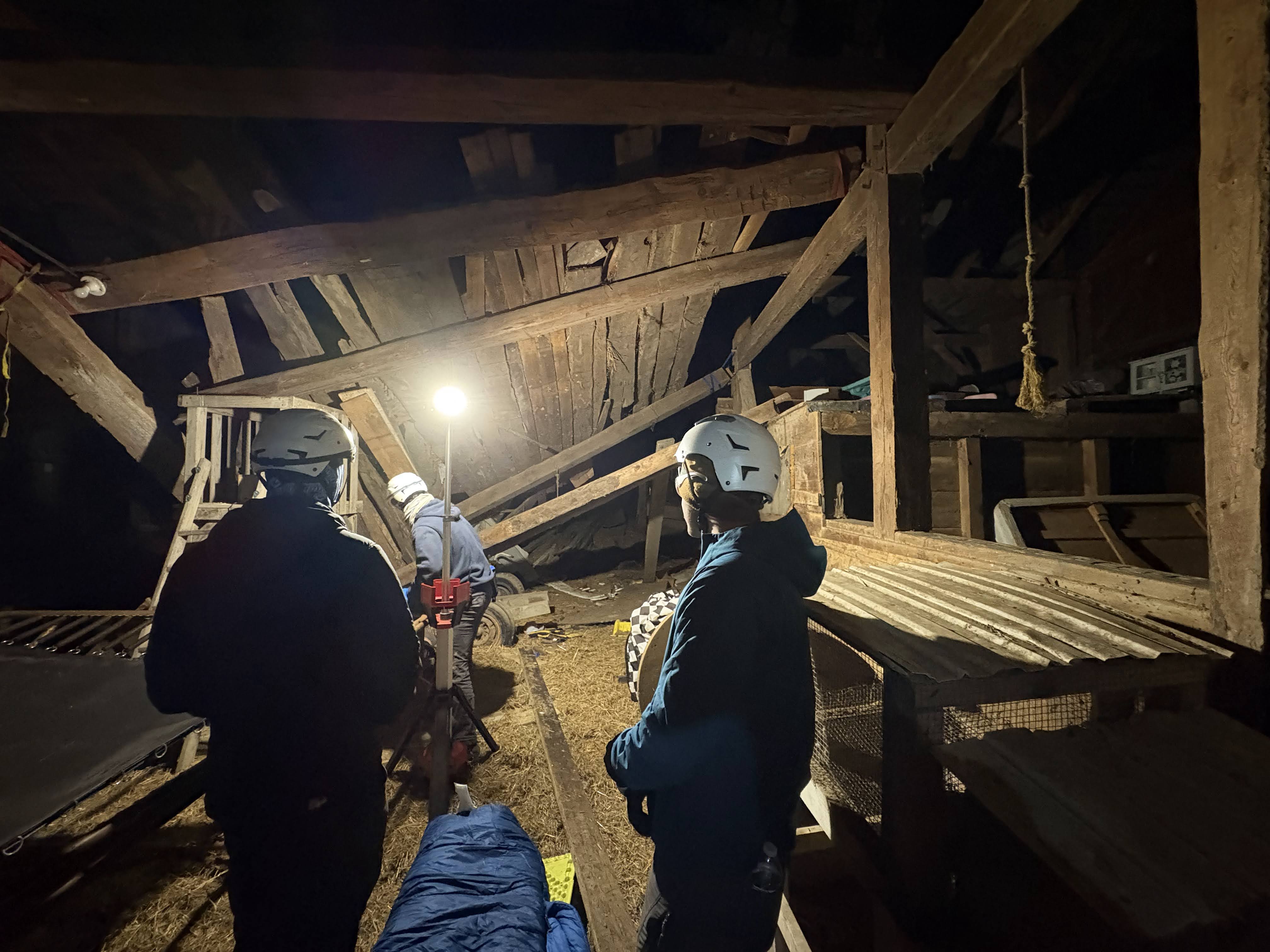
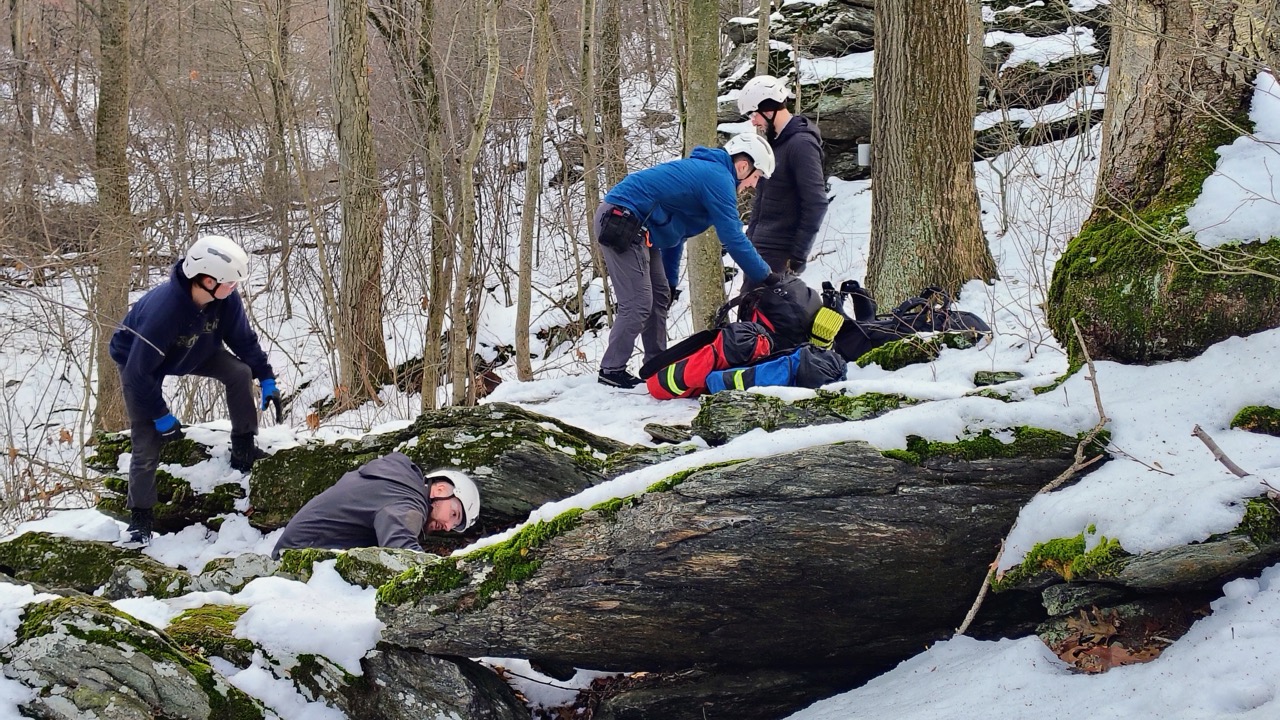
Cadets responded to a simulated alert, packed what they believed they would need, and deployed to unfamiliar sites spread across two different farms in rural Pennsylvania. They conducted searches, performed technical rescues, cared for patients through the night, and completed final patient transfers the next morning.
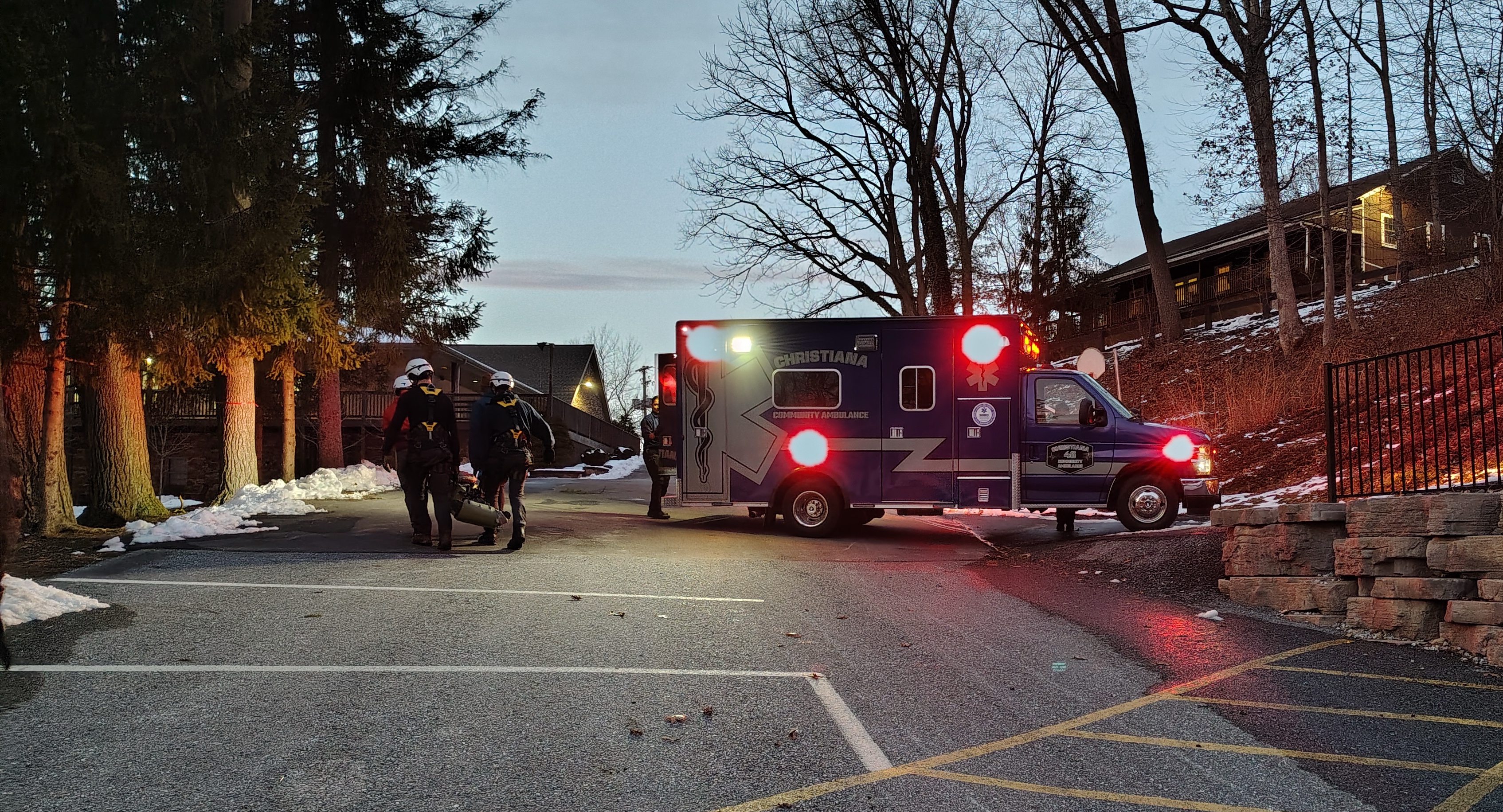
We're grateful for a local ambulance organization joining the exercise, allowing Cadets to practice real patient handoffs and learn the basics of working inside an ambulance. This kind of partnership helps greatly in bridging the gap between training and real-world response.
Later on during this same phase, Cadets also became certified ACS Stop the Bleed instructors. They split into teams and taught three classes at a school, a church, and a business.
Chazak Rescue Updates
While the Defender class continued their training, the Guardian team spent much of January preparing for two upcoming deployments.
Project Acacia
In the coming weeks, Chazak Rescue will be sending a small team back to Kenya to continue work alongside Pastor’s Network International.
PNI trains young people and pastors who are actively involved in outreach and humanitarian work in remote and often unstable regions. Many of those who will be in these sessions are preparing to return to their home communities, places where flooding, landslides, violence, and long-term hardship are part of everyday life. When emergencies happen, there is often no formal EMS system to rely on.
Our team will provide hands-on training in first aid, water safety, and basic rescue skills. The goal is not only to teach individuals, but to equip people who will carry these skills back to their own villages and ministries, and pass them on to others. The training is practical, simple, and built for the environments they actually live and work in.
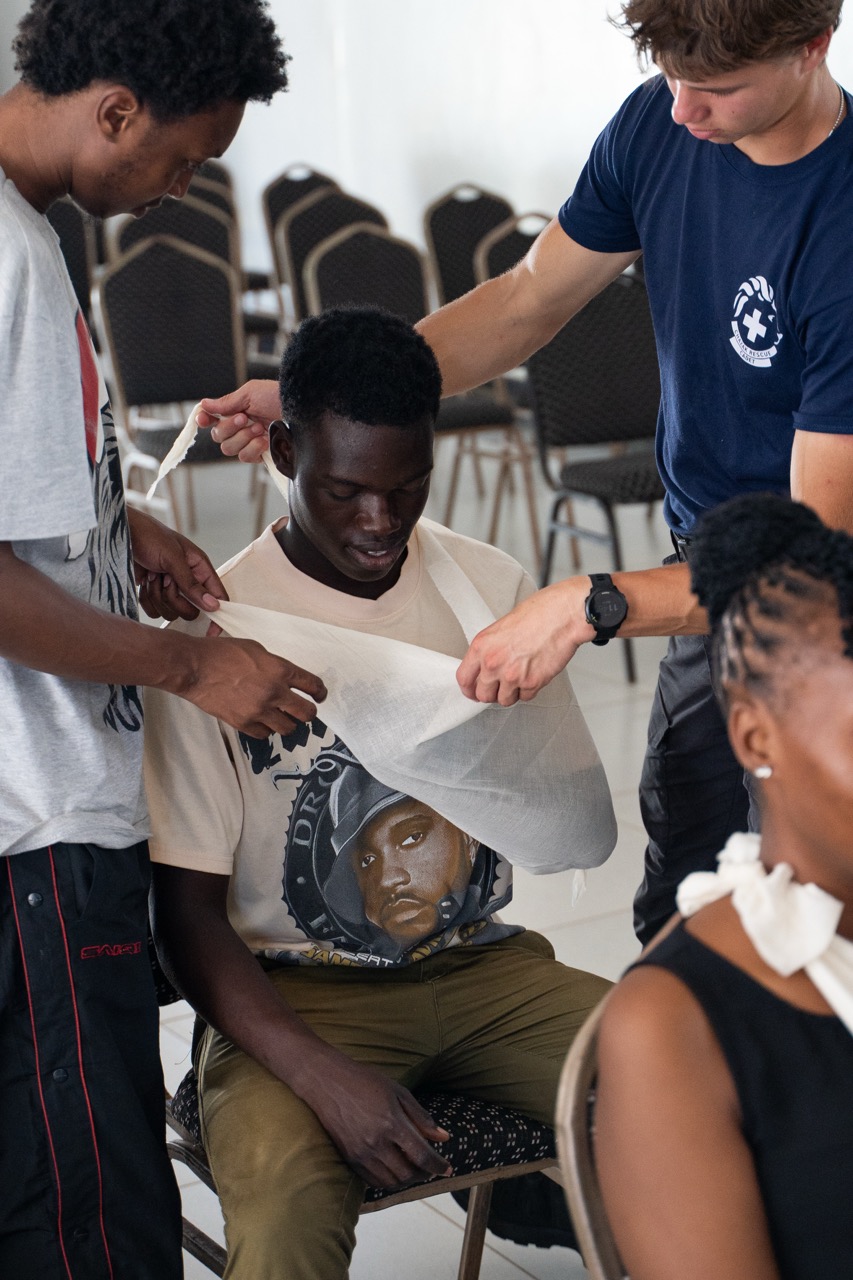
This trip continues a relationship that has been growing over time. We are grateful for the invitation to return and to keep training alongside partners who are already serving faithfully in difficult places.
Would you partner with us on this deployment? Click here to find out how you can join us on this mission.
Project Nightingale 2.0:
Chazak Rescue is also preparing to return to Ukraine as part of our ongoing work with local partners.
Since our last deployment, relationships with churches, schools, and community leaders have continued to grow. Those partners have invited our team back to build on the work that has already begun. This time, the focus will be on training civilians in Stop the Bleed and Tactical First Aid, and working closely with a small group of local believers who are preparing to become instructors themselves.
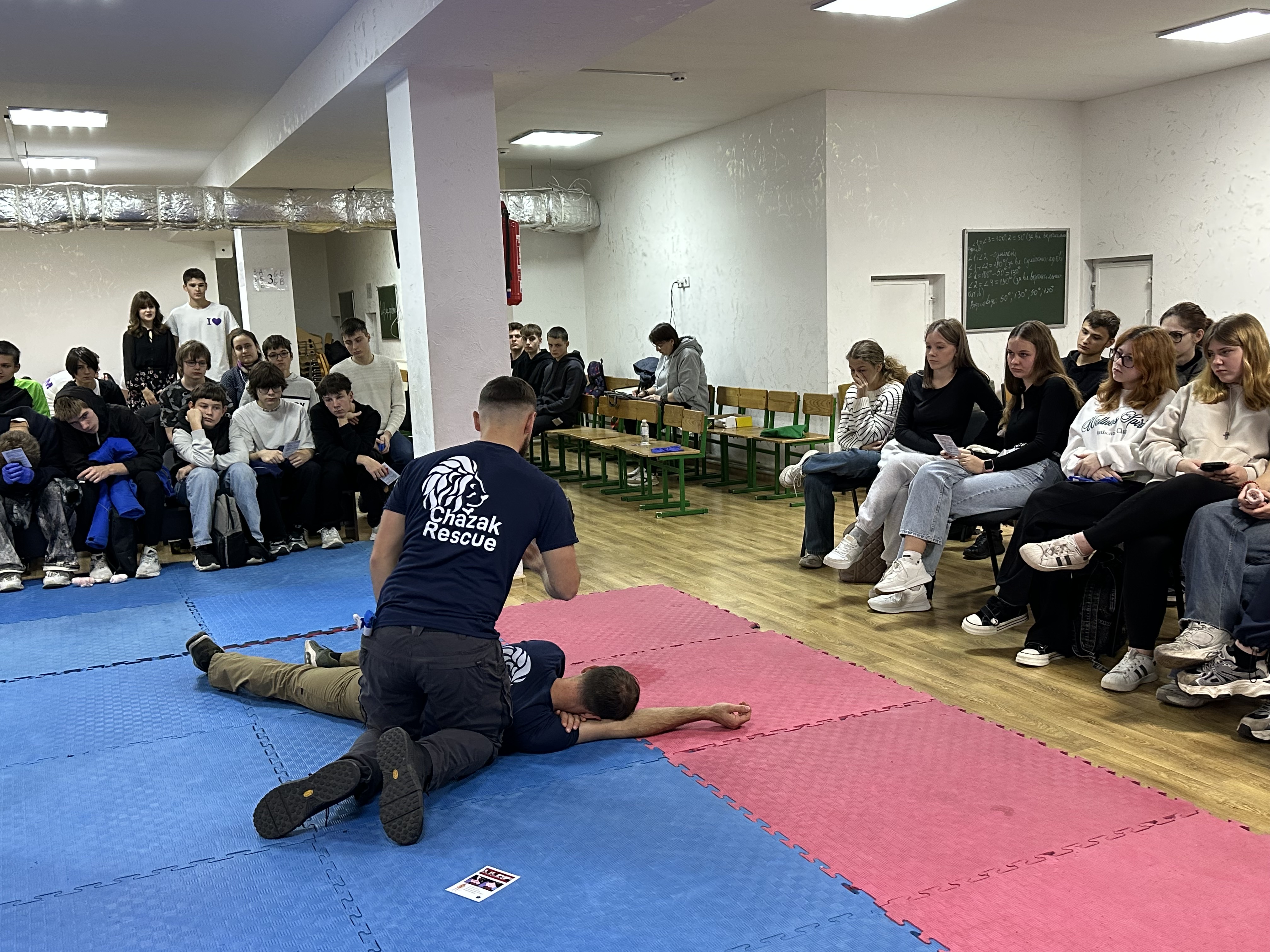
These are people who will remain in their communities long after our team leaves. By helping them become trainers, the impact of each deployment continues to multiply.
Alongside the training, the team will also help deliver humanitarian aid to under-served communities along the front lines in partnership with Fight for Freedom. These distributions take place in areas where daily life is still shaped by shelling, power outages, and extreme winter conditions. Local partners continue to serve families who have chosen, or been forced, to remain.
We are thankful for the trust of these partners and for the opportunity to return. Both deployments are built around the same goal: strengthening local people so they are better prepared to care for their communities in a time of deep crisis.
Partner with us: Our goal is to bring in 100 First Aid Kits for civilians on the front-line, each kit costing $80.