


July brought together several parts of Chazak’s work at once. Chazak Rescue teams served in Venezuela, Poland, and Ukraine, while Class 4 moved through the final stretch of specialization training. Some of that training crossed directly into real-world response as Cadets deployed alongside the Rescue team.
Venezuela Earthquake Response
July began with Chazak Rescue responding to the devastating earthquakes in Venezuela.
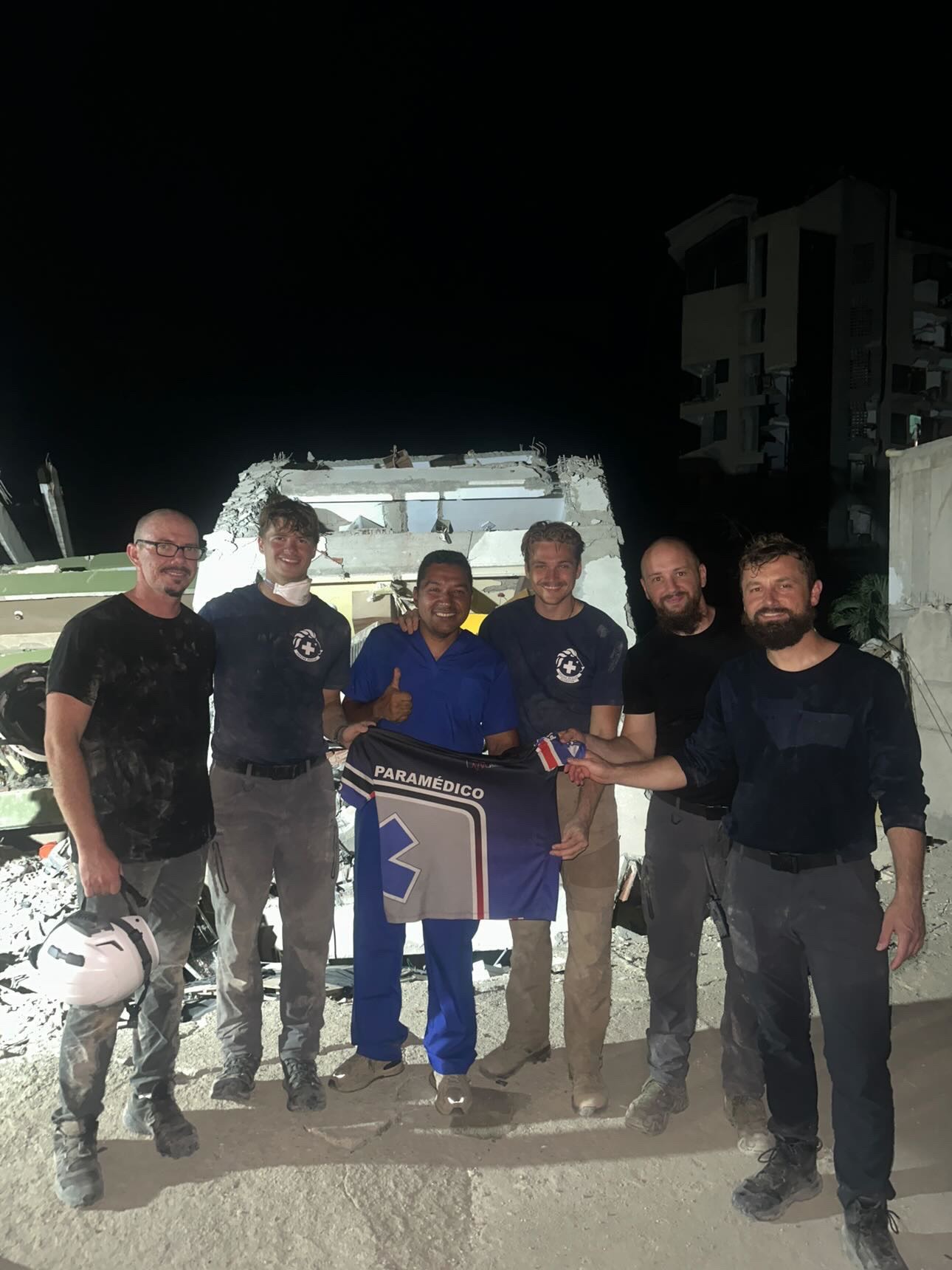
After several days of working through access and logistics, our team entered the country and joined local responders in search, rescue, and body recovery operations. The work included confined-space search and recovery in collapsed structures, assisting local teams, and working alongside families and communities still dealing with tremendous loss.
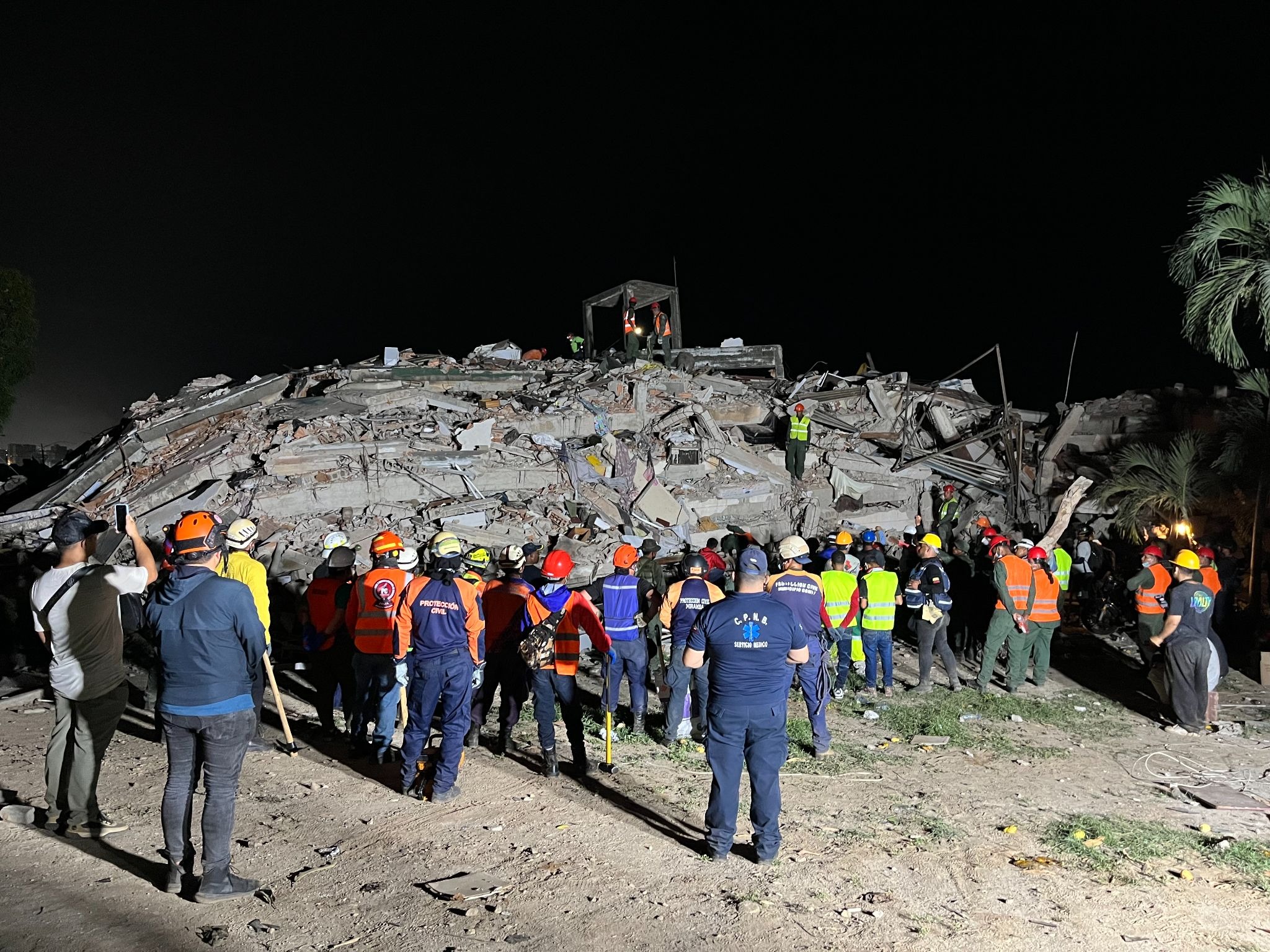
For two of our Class 4 Cadets, Venezuela also became part of their Segment 2.5 Technical Rescue specialization.
Over the previous several months, the Rescue Tech Cadets had trained in technical climbing, rope systems, search and rescue, drone operations, motorized boats, off-road driving, rescue swimming, and other skills intended for difficult field environments. Both also earned their FAA Part 107 drone certifications.
Then the earthquakes happened.
Instead of finishing specialization entirely in controlled training environments, the Rescue Tech Cadets deployed to Venezuela as part of the Chazak Rescue response. There, they worked alongside experienced responders in an actual disaster zone, applying the judgment, technical skills, teamwork, and adaptability they had been developing throughout the year.
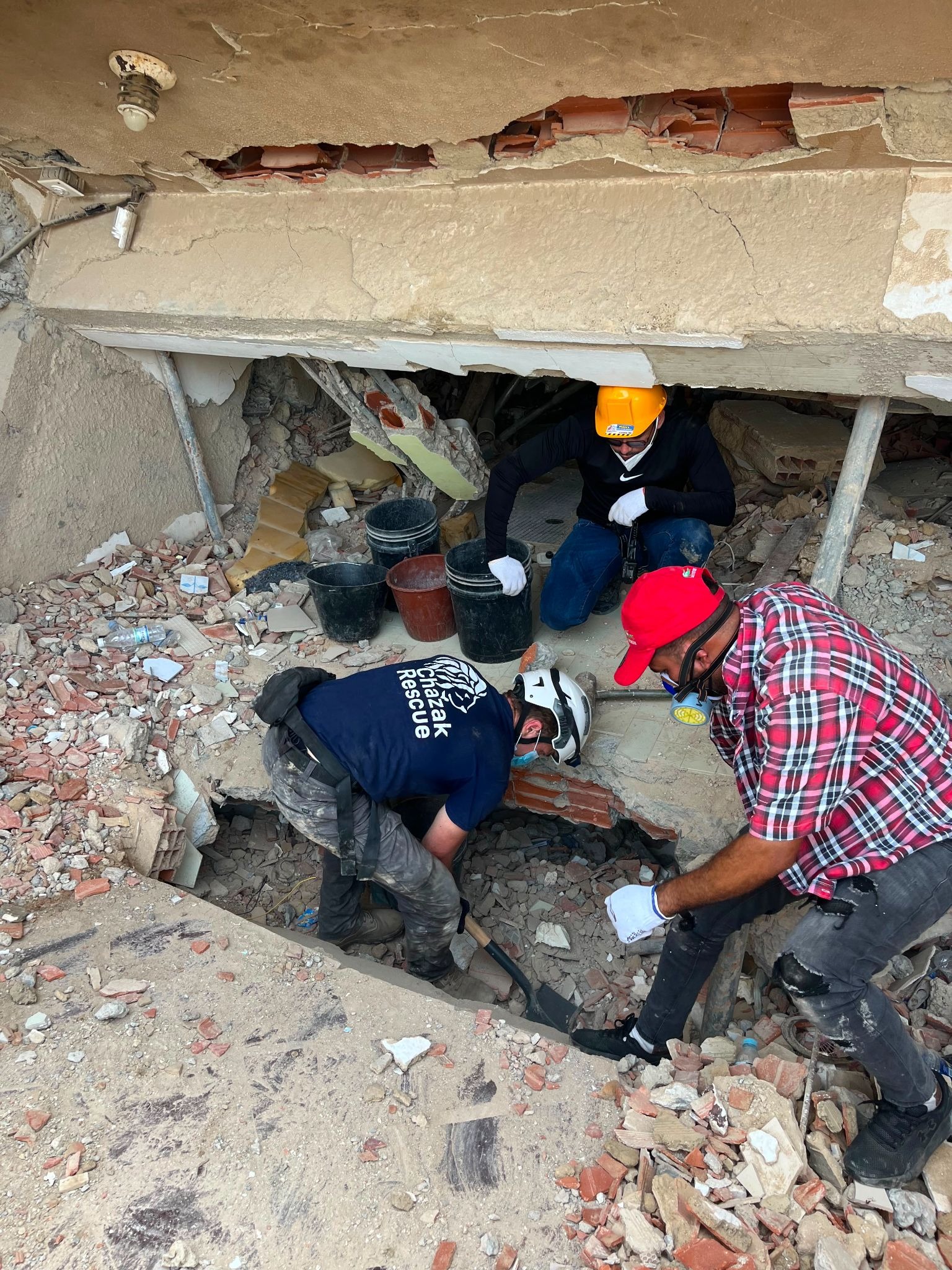
For training, this was an appropriate end to Segment 2.5. The purpose of Chazak Academy is to prepare responders who can step into difficult places and serve competently when the need is real.
Project Relay: Poland and Ukraine
While one Chazak team was responding in Venezuela, another project was underway in Europe.
Project Relay took our team first to Poland, where Chazak instructors led a HEAT course for people preparing to serve in higher-risk environments. HEAT, or Hostile Environment Awareness Training, is designed to help participants think clearly about safety, risk, and decision-making when working in unstable parts of the world.
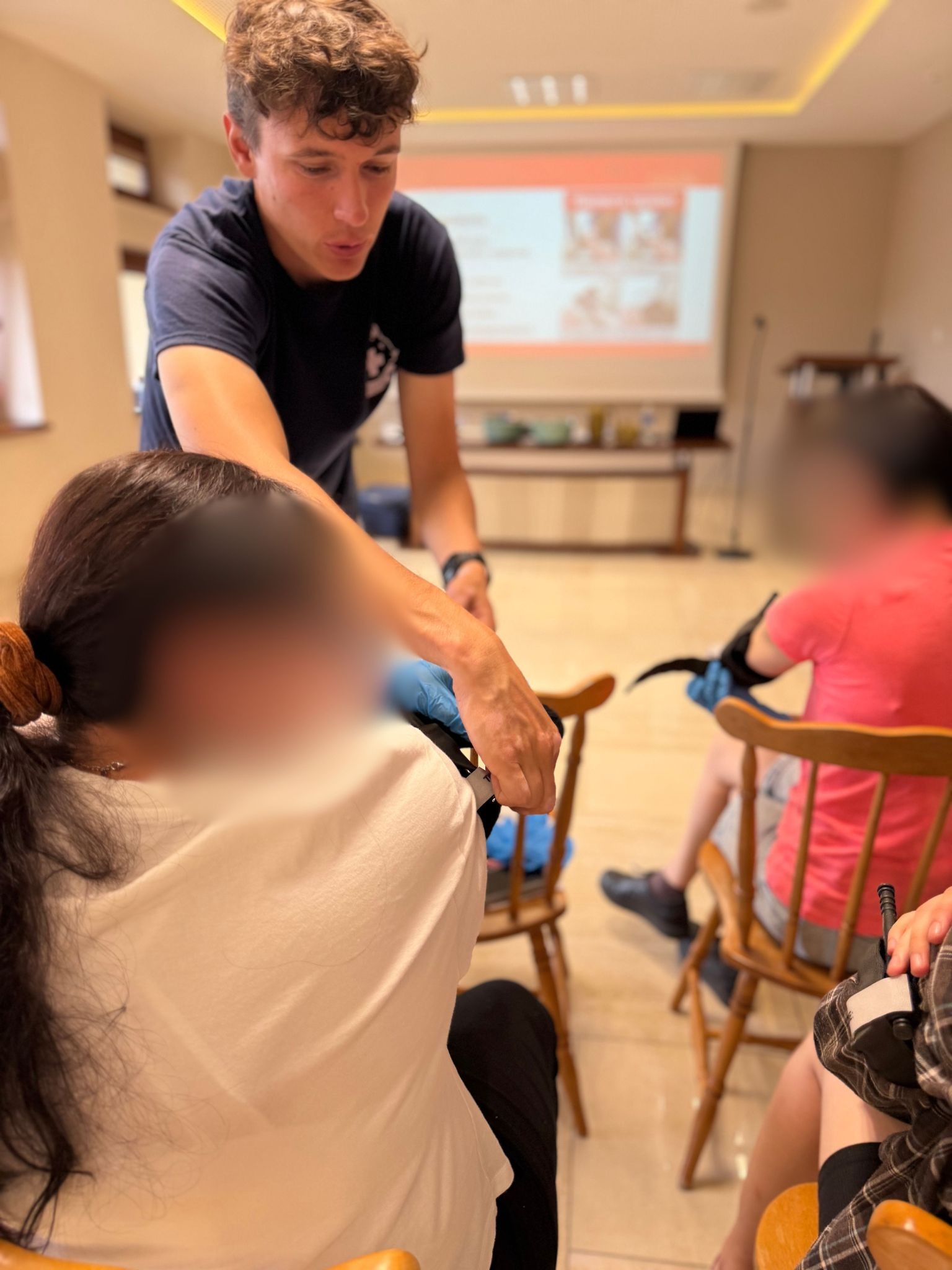
For Chazak, this kind of training is an extension of the same philosophy used within our own Academy. Preparation matters before the crisis begins. Good intentions are not enough when someone is operating in high-risk environments, navigating unfamiliar territory, or responsible for the safety of others.
From Poland, Project Relay continued into Ukraine.
Chazak has now conducted multiple projects in Ukraine focused on hemorrhage control and tactical first aid. During previous deployments, our teams have trained civilians, students, church members, volunteers, utility workers, and others living with the daily realities of war. Chazak’s Ukraine work has now contributed to life-saving training for more than 1,200 people.
This time, the focus shifted toward multiplication.
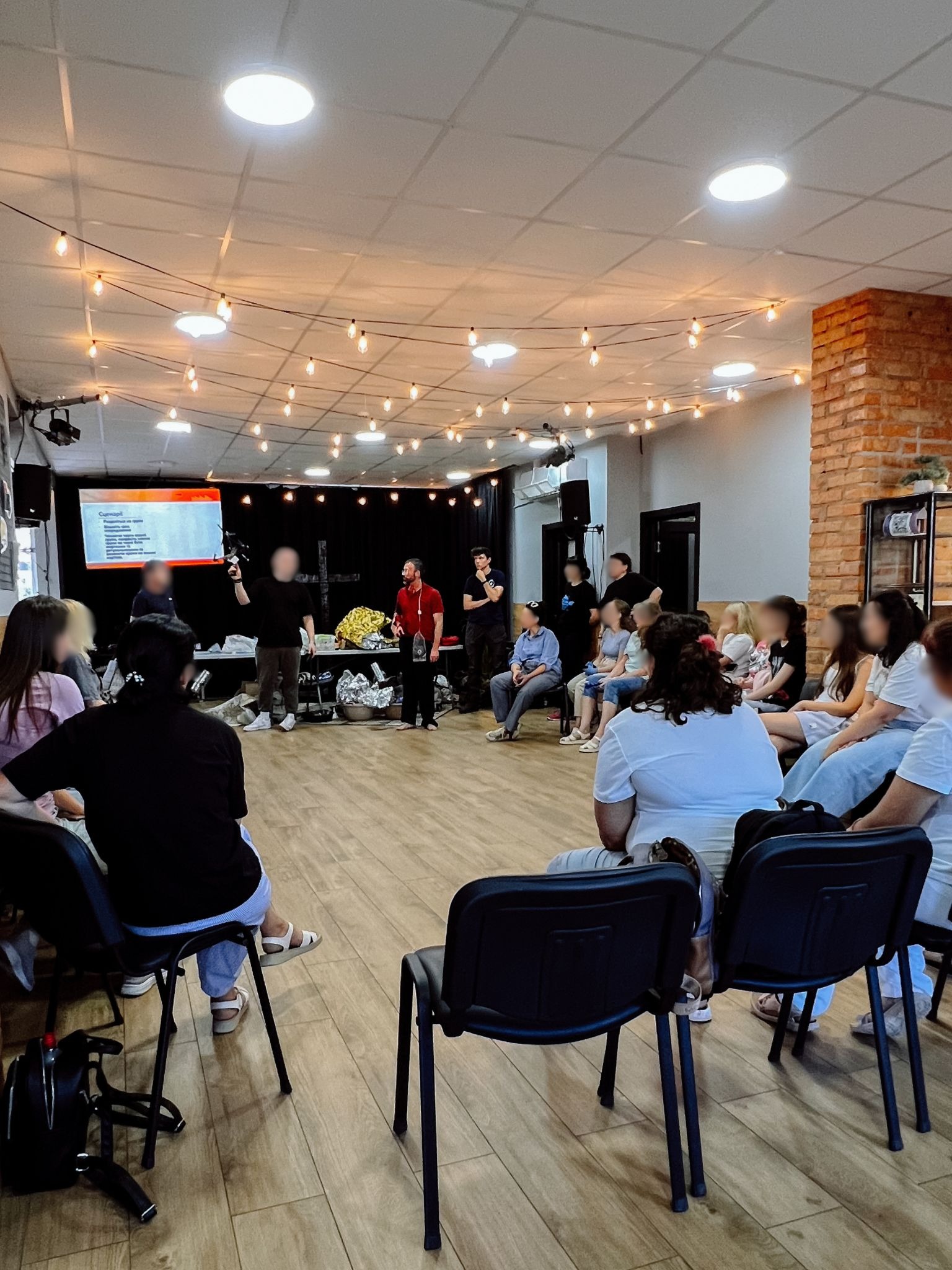
Rather than primarily teaching another large group of individual students, the Project Relay team worked with Ukrainians to become Stop the Bleed instructors themselves. Hence the name “Project Relay.” The goal is to eventually pass on the training baton to locals, resulting in much more efficient training of Ukrainian civilians. Training one person can prepare one responder. Training an instructor gives that person the ability to prepare dozens or hundreds more. This deployment was a great step in that direction.
Project Relay was built around that idea: pass on practical knowledge, strengthen people who are already serving their communities, and leave behind greater capability than we arrived with.
Class 4 Nears the Finish Line
Back at Chazak Academy, Class 4 continued toward the end of nearly two years of training.
The Medical Cadets entered July having completed an accelerated EMT course through New Holland Ambulance and successfully earned their EMT licenses. Their Segment 2.5 specialization also took them to Haiti, where they worked and gained experience in both an established clinic and mobile medical settings in the mountains alongside the organization Gospel To Haiti.
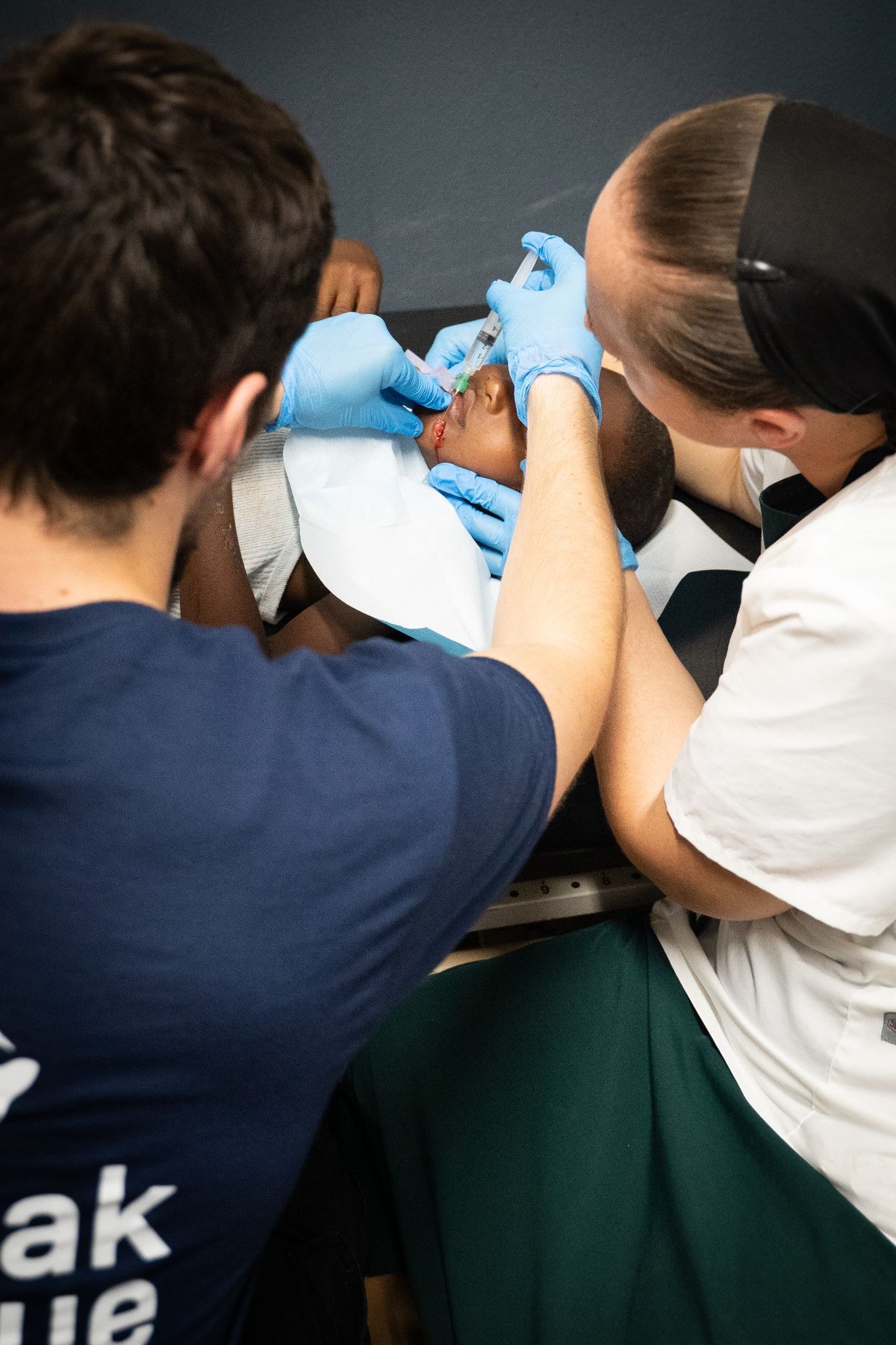
The Technical Rescue Cadets followed a different path through 2.5, culminating in their deployment to Venezuela.
By the end of July, the class came back together for another major benchmark: the Physical Fitness Test.
Class 4 finished the PFT with two Cadets reaching the Silver fitness level and three new men’s Academy records. Sebastian completed the 200-meter swim in 3:31, breaking the previous 3:33 record. Caleb completed 24 pullups, passing the previous record of 20. Patrick completed 104 pushups, breaking the previous mark of 97.
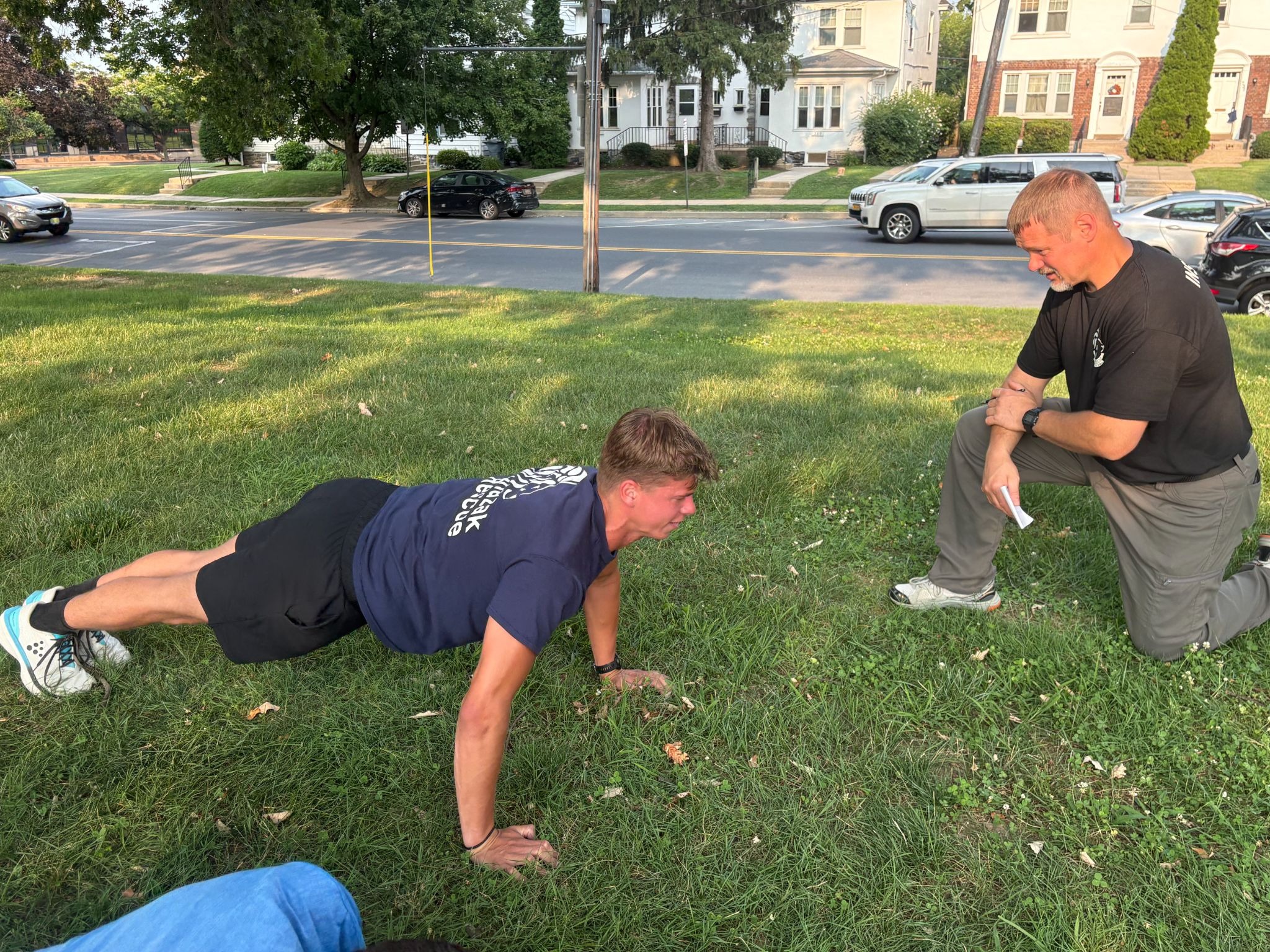
With those records, Class 4 now holds every men’s PFT record at Chazak Academy.
The PFT is one of the final physical benchmarks Cadets must pass before becoming Guardians. From here, their remaining training leads toward the final test of the first two years of Chazak Academy: The Way of the Cross.
What else we’ve been up to…
July also gave some of us an opportunity to talk with people who may become part of this work in the future.
Several members of the Chazak team traveled to Anaheim, California, for a conference where thousands of youth gather to be sent to various service opportunities worldwide. Over several days, we met people from across the country who are interested in international outreach, humanitarian response, and more.
Those conversations matter to us. Chazak exists not only to respond to the crisis in front of us, but to prepare people before the next crisis happens.
July gave us a picture of both.
In Venezuela, trained responders stepped into a disaster zone. In Poland and Ukraine, Chazak instructors passed practical skills to others. At the Academy, Cadets continued preparing for the responsibilities they will soon carry as Guardians.
We are grateful for everyone who prayed, gave, trained, hosted, taught, and worked behind the scenes throughout the month. Each deployment and each training course depends on a much larger group of people who make it possible for our teams to go where they are needed.
Would you like to partner with us as we continue training and deploying first responders into crisis zones around the world? To partner with us financially, visit chazakrescue.org/give.